Common Signs of Termite Activity in Commercial Properties
People searching for commercial termite control aim to identify and eliminate termite activity, and local service providers can assess signs and provide effective treatment solutions.
Understanding the common signs of termite activity in commercial properties is essential for maintaining the integrity and value of a building. Property owners in the area may find it practical to familiarize themselves with these indicators to catch potential issues early. Recognizing subtle clues such as discarded wings, mud tubes, or damaged wood can help prevent extensive damage and costly repairs down the line. As these signs often go unnoticed until they become severe, connecting with experienced local contractors who offer commercial termite control services can be a proactive step toward safeguarding a property.
Keeping an eye out for these activity signs is especially important for businesses and property managers aiming to protect their investments. Early detection through the eyes of trained professionals can make a significant difference in addressing a termite problem before it spreads. Local service providers who specialize in commercial termite control are equipped to identify these signs accurately and recommend effective solutions. Exploring this topic further can help property owners make informed decisions about pest management and preservation efforts.
- Commercial termite inspection - when property managers notice mud tubes or discarded wings, local contractors can perform thorough inspections to confirm termite presence.
- Termite damage assessment - if structural wood shows signs of hollowing or buckling, local service providers can evaluate the extent of activity and recommend treatment options.
- Early detection treatment - upon identifying early signs of termite activity, local pros can apply targeted treatments to prevent further damage.
- Moisture management services - when increased humidity or moisture problems are observed, local contractors can address these conditions to reduce termite attraction.
- Ongoing monitoring programs - for properties with previous activity signs, local pros can set up regular monitoring to catch new signs of termite activity early.
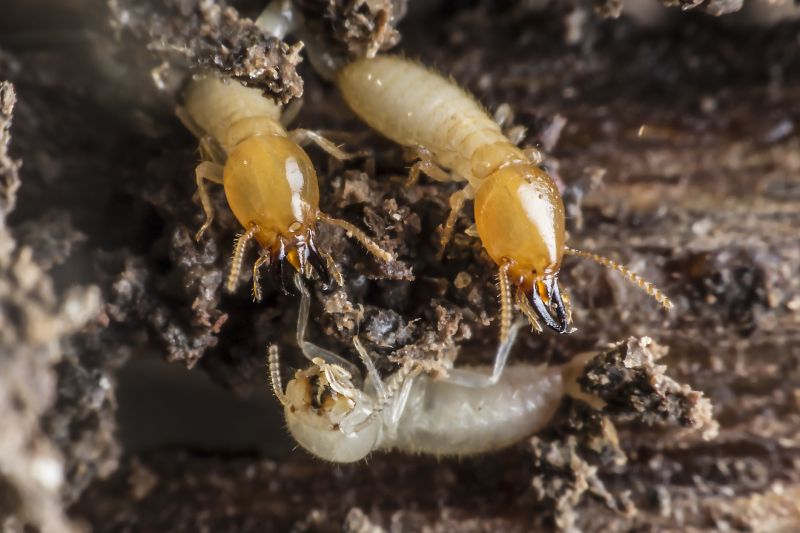
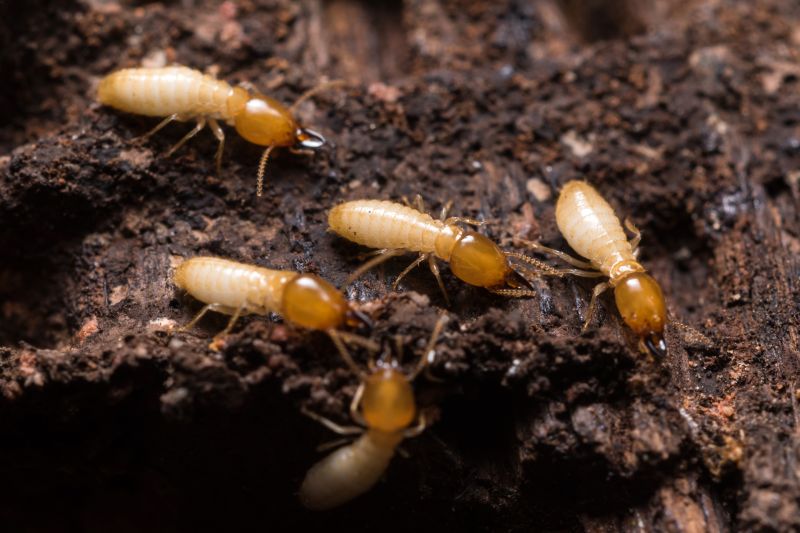

Understanding common signs of termite activity in commercial properties is essential for property owners and managers who want to protect their investments. When searching for this topic, many are typically concerned about identifying early indicators of termite presence before significant damage occurs. Recognizing these signs helps in planning timely inspections and treatments, which can prevent costly repairs and operational disruptions. Commercial properties, especially those with wooden structures, extensive framing, or stored materials, are vulnerable to termite infestations, making awareness of these signs a crucial part of ongoing property maintenance and management strategies.
The problems associated with undetected termite activity often involve structural integrity issues, aesthetic damage, and potential health hazards if the infestation becomes severe. Property owners may also be planning renovations or expansions, and discovering termite activity can delay these projects or increase their costs. Understanding these signs supports proactive decision-making, allowing property managers to engage with local contractors who specialize in commercial termite control. These professionals can conduct thorough inspections, recommend appropriate treatment options, and help develop ongoing prevention plans to safeguard the property’s value and safety.
Common signs of termite activity in commercial properties include the presence of mud tubes along walls, foundation, or support beams, which termites use as protected pathways between their nests and food sources. Signs of wood damage, such as hollowed-out or crumbling wood, may also indicate an active infestation. Additionally, discarded wings near entry points or in corners can be a telltale sign of termite swarms, especially during certain seasons. Detecting these indicators early allows property owners to address the problem before it spreads, and local service providers can offer targeted treatments to eliminate the infestation and prevent future activity.
Commercial properties that typically come up in discussions about termite signs include office buildings, warehouses, retail centers, and industrial facilities. These structures often have large wooden components, extensive framing, or stored materials that can attract termites. Properties with moisture issues, wood debris, or proximity to wooded areas are particularly at risk. Engaging with experienced local contractors who specialize in commercial termite control can help property owners develop effective inspections and treatment plans. This partnership ensures that signs of activity are properly identified and managed, ultimately protecting the building’s structure and maintaining its operational integrity.
Building Inspection Services - Professionals skilled in property inspections can identify signs of termite activity that may indicate structural vulnerabilities in commercial buildings.
Pest Control Treatments - Local contractors experienced in pest management can address termite infestations and prevent further damage, relating to understanding activity signs.
Structural Damage Assessment - Experts who evaluate building integrity can detect early indicators of termite-related damage, essential for maintenance planning.
Moisture Management Services - Service providers focusing on moisture control help reduce conditions conducive to termite activity, which is often signaled by dampness or wood damage.
Wood Damage Repair - Specialists in repairing wood structures can assess and restore damage caused by termites, often following identification of activity signs.
Property Maintenance Services - Maintenance professionals who monitor for signs of pest activity can implement preventative measures against termites in commercial properties.
When evaluating service providers for addressing common signs of termite activity in commercial properties, it is important to consider their experience with similar projects. Contractors who have handled commercial properties comparable in size and construction type are more likely to understand the unique challenges involved in identifying and treating termite infestations in such settings. An experienced local contractor can provide insights into the most effective inspection techniques and treatment methods, helping ensure that the issue is addressed thoroughly and efficiently.
Clear written expectations are a vital aspect of selecting a reliable service provider. This includes detailed descriptions of the scope of work, the procedures to be followed, and the anticipated outcomes. Having this information in writing helps prevent misunderstandings and sets a benchmark for the quality of service. It also allows property owners to compare different contractors more effectively, ensuring that the chosen professional’s approach aligns with the specific needs of the property and the severity of the signs of termite activity observed.
Reputable references and good communication are essential indicators of a trustworthy contractor. Service providers who can offer references from previous commercial clients demonstrate a history of successful projects and satisfied customers. Additionally, clear and responsive communication throughout the process can make a significant difference in managing expectations and addressing concerns promptly. When selecting local contractors for commercial termite control, it is beneficial to prioritize those who maintain transparency and are willing to share their experience and approach, as this can contribute to a smoother, more predictable process.
Property owners often search for common signs of termite activity in commercial properties when they are planning practical projects around their homes and businesses. Local pros provide Commercial Termite Control services for everyday jobs and straightforward project options.
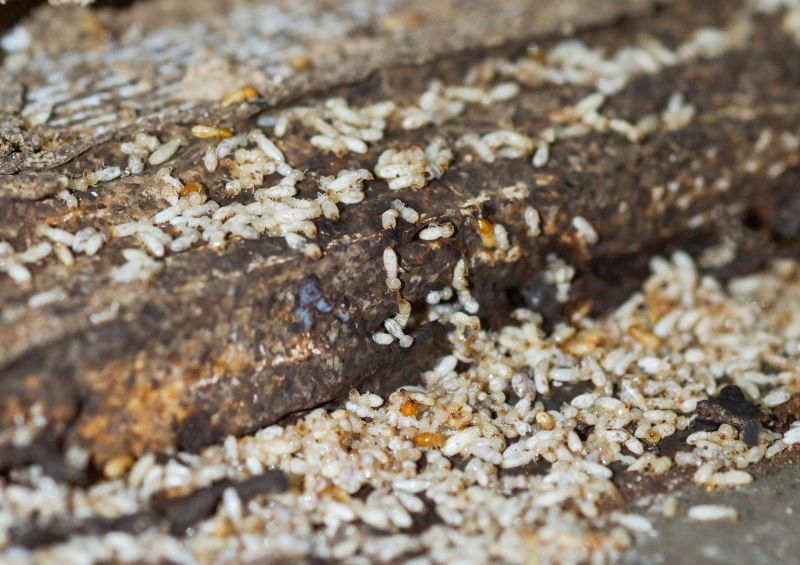
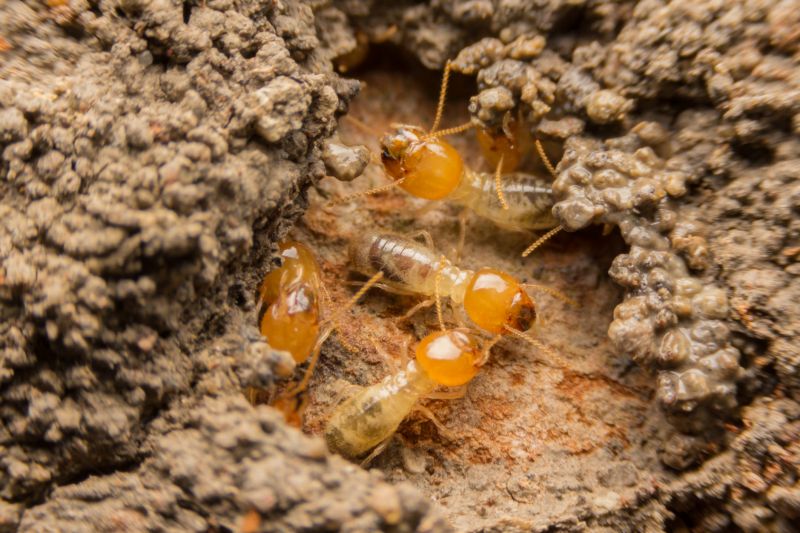
Understanding the common signs of termite activity in commercial properties can help property owners identify potential issues early on. Routine inspections often reveal telltale indicators such as discarded wings near entry points, hollow-sounding wood, or tiny mud tubes along walls and foundations. Recognizing these signs during regular maintenance or project work can prevent extensive damage and costly repairs, making it important to consider the expertise of local contractors who specialize in termite control.
Business owners and property managers might look up this topic when noticing unusual wood damage, unexplained cracks, or the presence of frass (termite droppings) around the premises. These subtle clues can be easy to overlook but are often signs of an active infestation. Connecting with experienced service providers in the area can ensure that a professional assessment is made promptly, and appropriate treatment options are implemented to protect the property's structural integrity.
What are common signs of termite activity in commercial properties? Signs include the presence of mud tubes on walls or foundations, discarded wings near entry points, and damaged wood that sounds hollow when tapped. Local contractors can inspect these indicators to determine if termites are active.
How can I identify termite damage in a commercial building? Look for wood that appears blistered, cracked, or has small holes, as well as sagging or damaged drywall and the presence of frass (termite droppings). Service providers can assess these signs to confirm activity.
Are there visual clues that suggest termites are present? Yes, visual clues include mud tubes along exterior walls or foundation, shed wings near windows or doors, and damaged wooden structures. Local pros can verify these signs during an inspection.
What other signs might indicate termite activity in a commercial setting? Other signs include clicking sounds within walls, discarded wings, and soft or hollow-sounding wood. Experienced service providers can identify these subtle indicators.
Why is early detection of termite signs important for commercial properties? Early detection helps prevent extensive damage and costly repairs. Local contractors can perform inspections to identify early signs and recommend appropriate control measures.
Inspect for damaged wood or hollow-sounding structures - property owners can schedule regular inspections with local contractors to identify compromised wood that may indicate termite presence.
Watch for mud tubes along foundations and walls - recognizing these signs can help property managers determine when to seek professional treatment from local service providers.
Identify discarded wings near entry points or in storage areas - noticing swarm remnants can prompt timely consultation with local pros for termite activity assessment.
Monitor for bubbling or cracked paint and damaged drywall - noticing surface damage can lead property owners to arrange for professional evaluations to detect hidden infestations.
If you are thinking about common signs of termite activity in commercial properties for a property, this guide is meant to help you understand this topic, the typical project types, and how different options might fit your plans.
When you are ready, you can use the quote form on this page to share a few details about your project. From there, local pros can review the basics and follow up with options that match what you have in mind.