How Termites Threaten Commercial Buildings and Structures
Commercial termite control services help protect buildings by eliminating termites that threaten structures, with local contractors ready to provide effective prevention and treatment.
Understanding how termites threaten commercial buildings and structures is essential for property owners seeking to protect their investments. Termites can silently cause extensive damage by feasting on wood, drywall, and other cellulose-based materials, often without immediate visible signs. This hidden threat can compromise the integrity of a building’s framework, leading to costly repairs and potential safety concerns if left unchecked. For those managing commercial properties in the area, exploring effective termite control options is a practical step toward safeguarding their assets and maintaining a secure environment for tenants and visitors alike.
Property owners who are concerned about the risks posed by termites should consider connecting with local service providers specializing in commercial termite control. These experts understand the unique challenges that come with protecting larger structures and can offer tailored solutions to prevent infestations or eliminate existing ones. By working with experienced contractors, property managers can take proactive measures to defend their buildings from termite damage, ensuring long-term stability and peace of mind. Keep reading to learn more about how local pros can help address this common yet often overlooked threat.
- Commercial termite inspection - when property managers notice signs of infestation or suspect termite activity, local contractors conduct thorough inspections to assess the extent of damage.
- Termite treatment plans - if termites are detected, service providers develop targeted treatment strategies to eliminate colonies and protect the building structure.
- Preventive barrier installation - businesses seeking to safeguard their property from future termite threats often work with local pros to install barriers around foundations and critical areas.
- Structural damage repair - after termite activity has compromised building components, local contractors perform repairs to restore stability and prevent further deterioration.
- Ongoing termite monitoring - commercial properties at risk of termite infestation may engage local service providers for regular monitoring to detect early signs of activity.
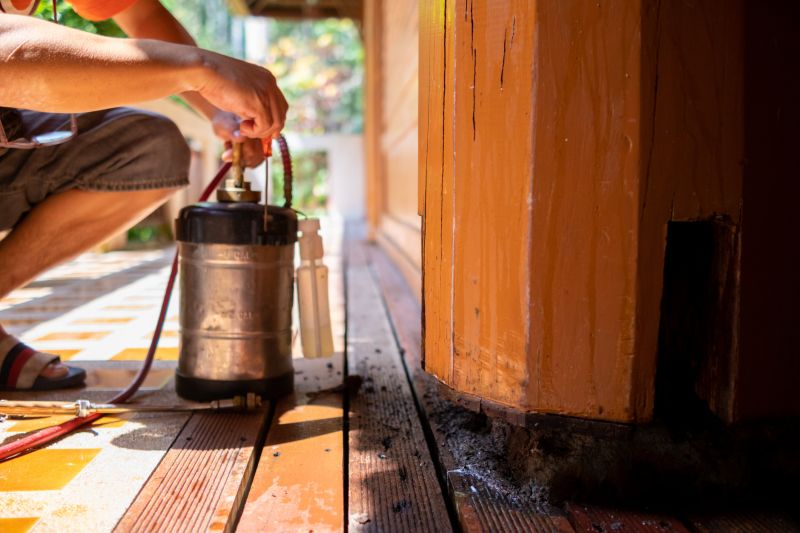
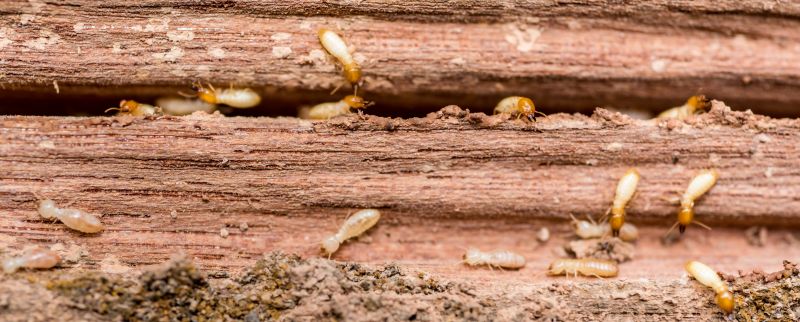
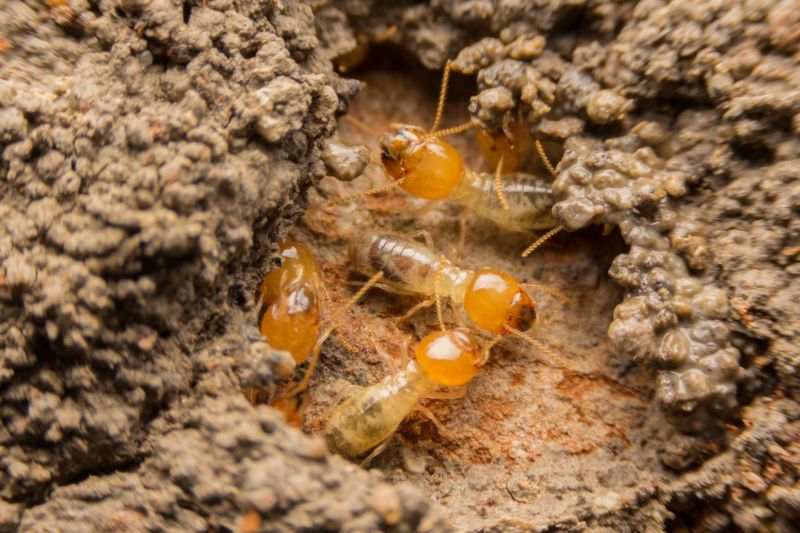
Understanding how termites threaten commercial buildings and structures is essential for property owners and managers seeking to protect their investments. When people search for this topic, they often want to grasp the specific ways termites can cause damage, the risks involved, and how to recognize early warning signs. This knowledge helps in planning effective pest management strategies and making informed decisions about property maintenance. Many are concerned about preventing costly repairs, minimizing business disruptions, and ensuring the safety and integrity of their buildings. Recognizing the potential threat of termites in commercial settings underscores the importance of professional inspections and targeted control measures.
The problems associated with termites in commercial buildings often relate to structural integrity, financial losses, and operational disruptions. Termites can silently weaken load-bearing walls, support beams, and foundations, sometimes without immediate visible signs. This damage can compromise safety and lead to expensive repairs if left unchecked. Business owners may also face downtime or closures if infestations become severe, especially in buildings like warehouses, retail stores, or office complexes. Developing a plan for termite prevention and control is a common part of property management, especially in areas prone to termite activity. Local service providers specializing in commercial termite control can help develop tailored strategies to mitigate these risks effectively.
The types of properties most commonly affected by termites include a broad range of commercial structures. Warehouses, manufacturing plants, and storage facilities often contain wood or cellulose-based materials that attract termites. Office buildings with wooden fixtures, flooring, or framing are also vulnerable, particularly in regions where termites are prevalent. Retail centers, restaurants, and hospitality venues may have structural elements or furniture susceptible to infestation. Even multi-family residential complexes can be at risk, especially if proper preventative measures are not in place. Recognizing the specific vulnerabilities of different property types helps in choosing the right control approach and underscores the importance of engaging experienced local contractors who understand the unique challenges of each building.
For property owners and managers, understanding how termites threaten commercial buildings and structures helps connect the dots between potential damage and the importance of professional pest control. Local contractors specializing in termite management can provide valuable services, from inspections to treatment plans designed to protect the integrity of the property. These service providers have the expertise to identify early signs of activity, recommend appropriate treatments, and implement ongoing prevention strategies. By working with experienced local pros, property owners can better safeguard their investments against the hidden but serious threat posed by termites, ensuring that their commercial spaces remain safe, functional, and protected from costly damage.
Building Inspection Projects - Professionals conducting building inspections can identify early signs of termite activity that threaten commercial structures and require specialized knowledge to assess damage risk.
Pest Control Treatment Plans - Local contractors develop integrated pest management plans to eliminate termites and prevent future infestations that compromise commercial buildings.
Structural Damage Assessments - Experts evaluate potential or existing damage caused by termites, helping property owners understand the extent of threats to their commercial structures.
Wood Treatment and Preservation - Projects focused on treating and preserving wooden elements of commercial buildings are related, as they address termite prevention and damage control.
Moisture Management Projects - Managing moisture levels in commercial buildings is crucial, since excess moisture attracts termites and can be part of comprehensive termite threat mitigation strategies.
Exterior Damage Repairs - Repairing damaged exterior surfaces like siding and foundation elements helps prevent termite entry points, linking closely to termite threat prevention efforts.
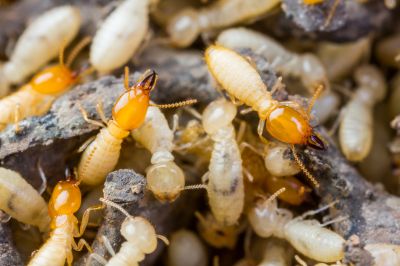
When evaluating service providers for commercial termite control, it is important to consider their experience with similar types of projects. Contractors who have a track record of handling commercial buildings and structures can better understand the unique challenges these properties present, such as large-scale infestations or specific structural vulnerabilities. Asking for references or examples of past work can provide insight into their familiarity with the scope and complexity of commercial termite threats, helping to determine if they are well-equipped to address the particular needs of the property.
Clear written expectations are essential when choosing a commercial termite control service provider. This includes detailed descriptions of the treatment process, what areas will be affected, and any follow-up procedures or warranties offered. A transparent plan ensures that there are no misunderstandings about the scope of work or the results to be expected. Service providers who communicate their approach clearly and provide comprehensive documentation are more likely to deliver consistent, reliable results and foster a professional relationship built on understanding.
Effective communication and reputable references are key indicators of a dependable contractor. Good communication involves timely responses to questions, straightforward explanations of treatment options, and a willingness to address concerns throughout the process. References from previous commercial clients can offer valuable insights into the contractor’s reliability, quality of work, and ability to manage projects of similar size and complexity. Selecting a service provider with strong communication skills and positive references can help ensure that the process of protecting a commercial building from termites is handled efficiently and professionally.
Property owners often search for how termites threaten commercial buildings and structures when they are planning practical projects around their homes and businesses. Local pros provide Commercial Termite Control services for everyday jobs and straightforward project options.
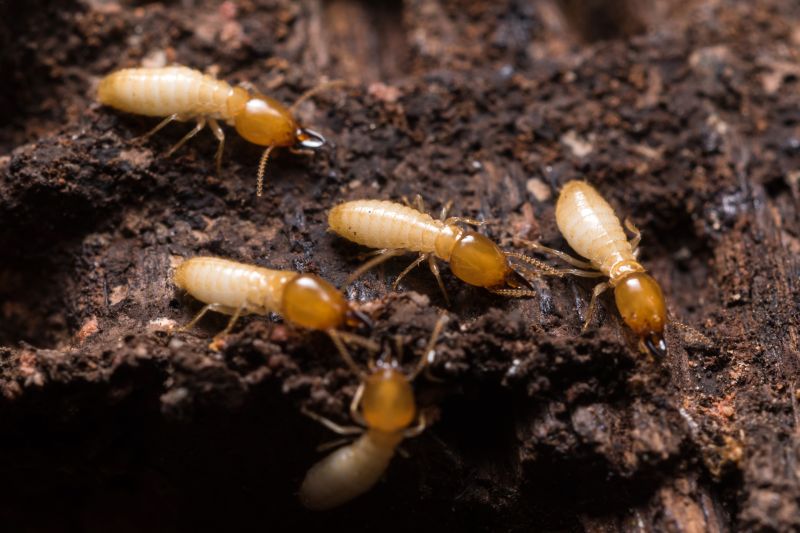
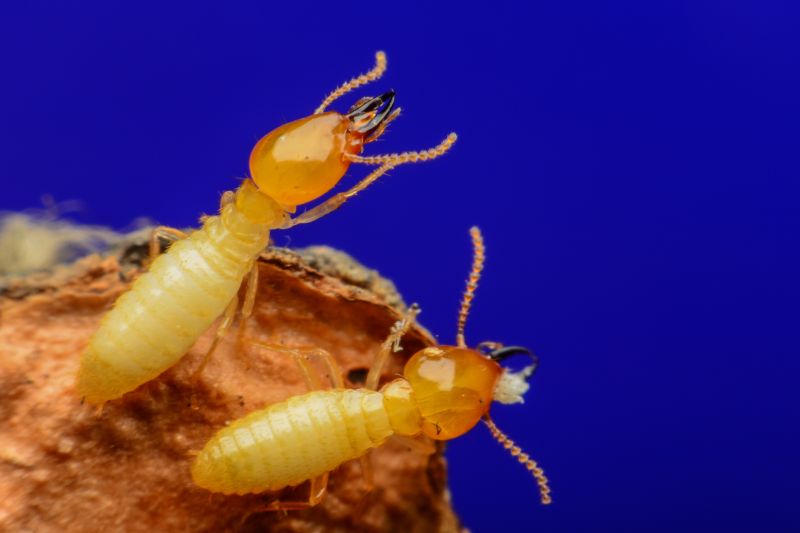
Termites can pose a significant threat to commercial buildings and structures by silently causing extensive damage to wooden components, flooring, and even the building’s foundation. Business owners who notice signs like discarded wings, hollow-sounding wood, or small mud tubes may realize that a termite infestation is developing, potentially leading to costly repairs if left unaddressed. In everyday project situations, property owners often look into commercial termite control services when they want to prevent damage or eliminate an active problem, ensuring the integrity and safety of their property.
Many property owners in the local area seek out professional services when they suspect termites are compromising their commercial spaces. These service providers can assess the extent of the infestation, recommend appropriate treatment plans, and help protect the structure from future threats. Engaging with experienced local contractors for termite control can be an effective way to address the issue promptly, preserving the building’s value and avoiding more serious damage down the line.
How do termites threaten commercial buildings and structures? Termites can cause significant damage by feeding on wood, drywall, and other cellulose materials, leading to structural weaknesses and expensive repairs in commercial properties.
What signs indicate a termite infestation in a commercial building? Signs include mud tubes, discarded wings, hollow-sounding wood, and visible damage to structural components, prompting the need for professional inspection and treatment.
Why is professional commercial termite control important for businesses? Professionals can accurately identify termite activity, implement effective treatment methods, and help prevent extensive damage that could disrupt business operations.
How can local service providers help protect commercial buildings from termites? Local contractors offer targeted inspection and treatment services designed to eliminate existing colonies and establish barriers to prevent future infestations.
What are the risks of ignoring termite threats in commercial structures? Ignoring termite activity can lead to severe structural damage, costly repairs, and potential safety hazards that may impact business continuity.
Identify vulnerable areas - property owners can work with local contractors to pinpoint parts of the building most at risk for termite activity and prioritize treatment efforts.
Implement preventative barriers - applying physical or chemical barriers around the foundation helps deter termites from entering commercial structures.
Schedule regular inspections - periodic assessments by local service providers can catch early signs of termite presence before significant damage occurs.
Address moisture issues - resolving leaks and controlling humidity levels can reduce conditions that attract termites, with guidance from local experts.
If you are thinking about how termites threaten commercial buildings and structures for a property, this guide is meant to help you understand this topic, the typical project types, and how different options might fit your plans.
When you are ready, you can use the quote form on this page to share a few details about your project. From there, local pros can review the basics and follow up with options that match what you have in mind.