Optimal Timing for Termite Control
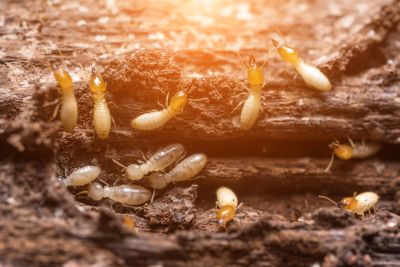
Spring is ideal for termite inspections as activity begins to increase with warmer temperatures.
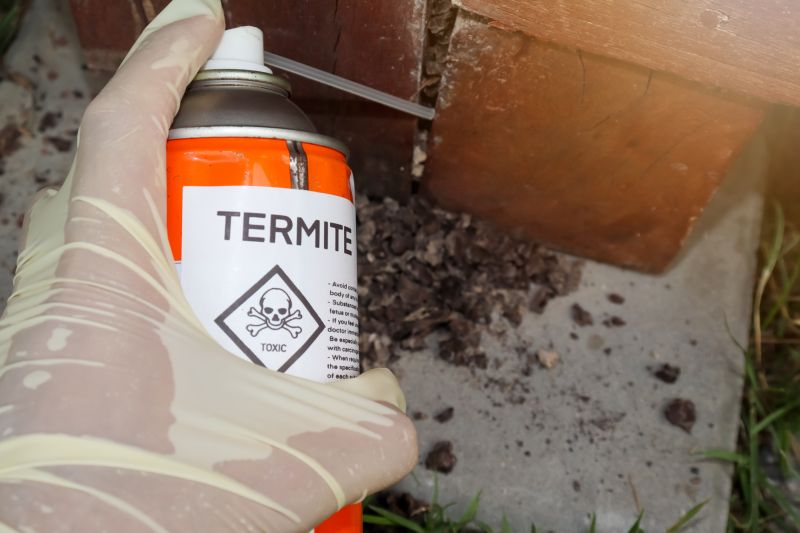
Summer offers opportunities for preventive treatments before termite activity peaks.
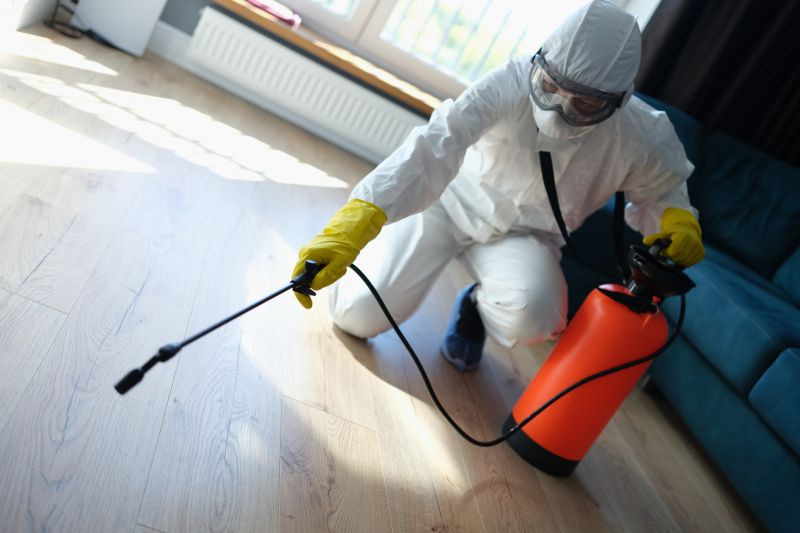
Fall is suitable for applying barrier treatments to protect structures during dormant periods.
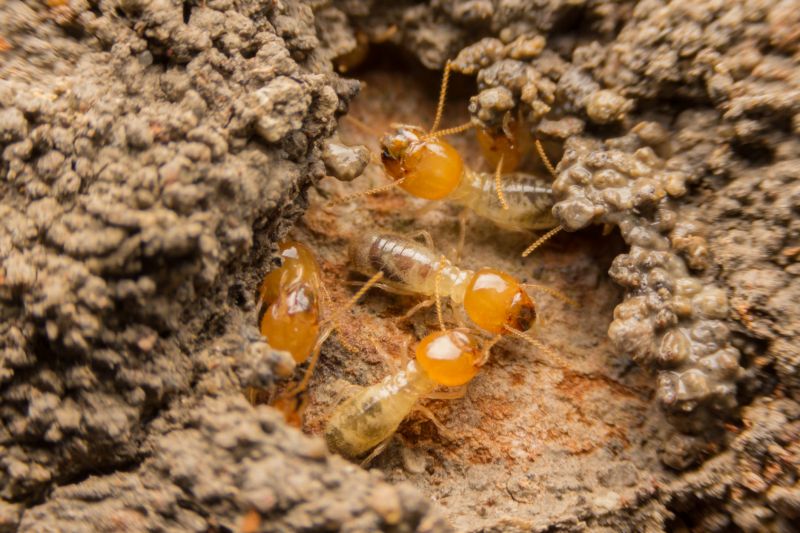
Ways to make Termite Controls work in tight or awkward layouts.
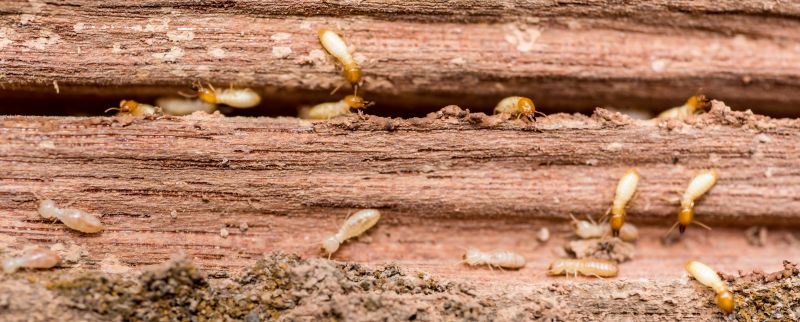
Popular materials for Termite Controls and why they hold up over time.

Simple add-ons that improve Termite Controls without blowing the budget.
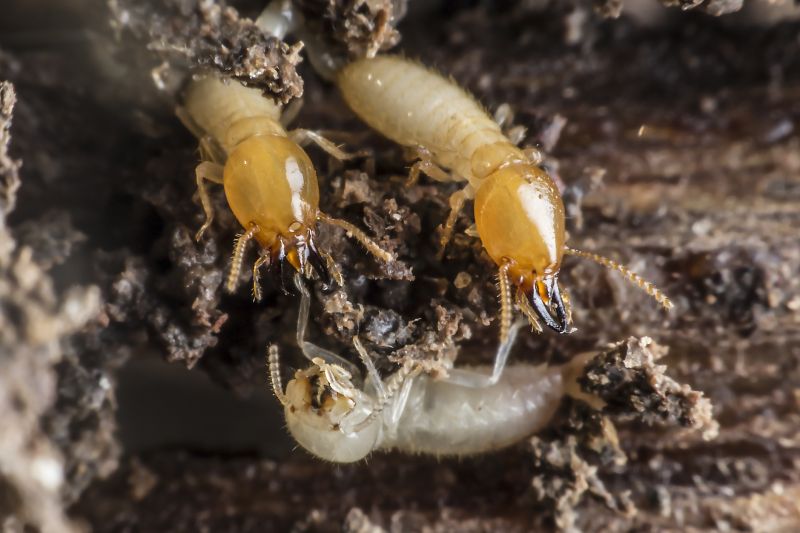
High-end options that actually feel worth it for Termite Controls.
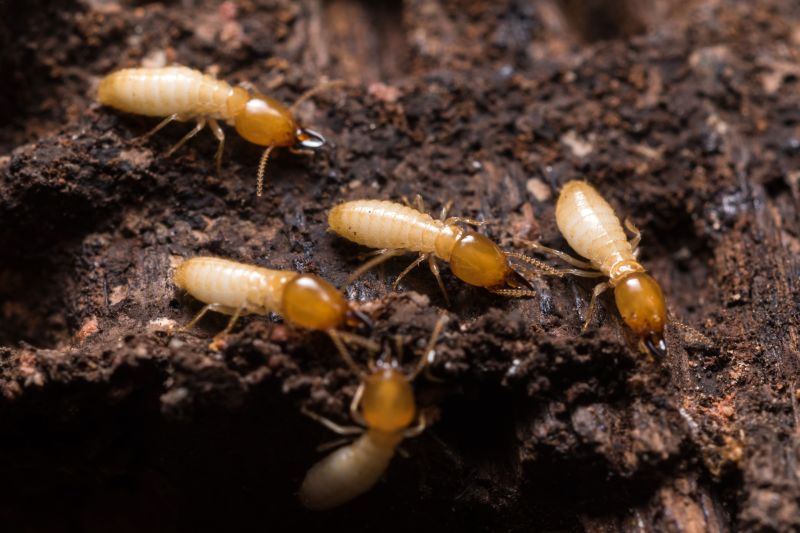
Finishes and colors that play nicely with Termite Controls.
Termite controls involve various methods to prevent and eliminate termite infestations. Timing plays a crucial role in the effectiveness of these treatments. Conducting inspections and applying treatments during optimal periods can significantly reduce the risk of extensive damage. Understanding seasonal patterns and termite behavior helps in planning effective control strategies.
Termite activity varies with seasons, often increasing in warmer months and slowing during colder periods.
Applying preventive treatments before termite swarming seasons can help protect properties.
Regular inspections during high-activity periods can identify early signs of infestation.
Treatments include liquid barriers, baiting systems, and soil treatments, scheduled based on termite activity.
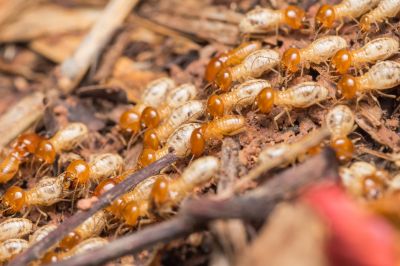
Professional inspections identify termite activity and vulnerable areas before treatment.
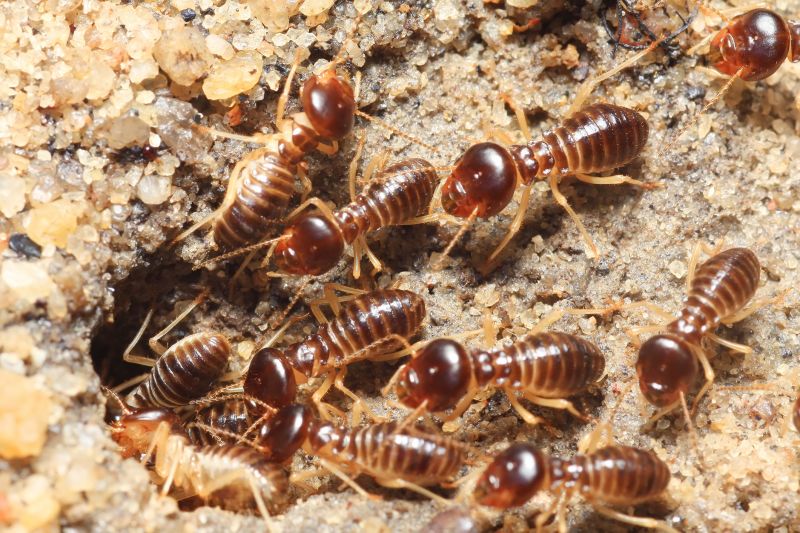
Applying soil treatments during active seasons enhances effectiveness.
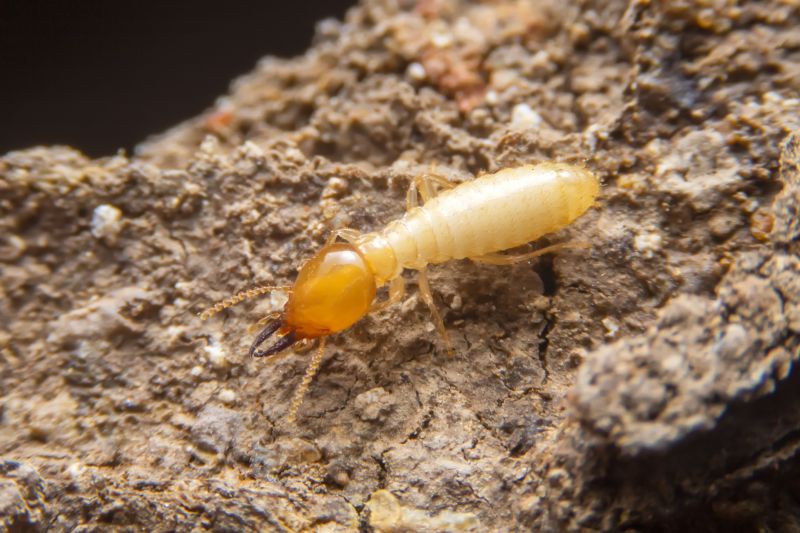
Bait stations are installed to monitor and control termite colonies over time.

Ongoing monitoring ensures long-term protection and early detection of new activity.
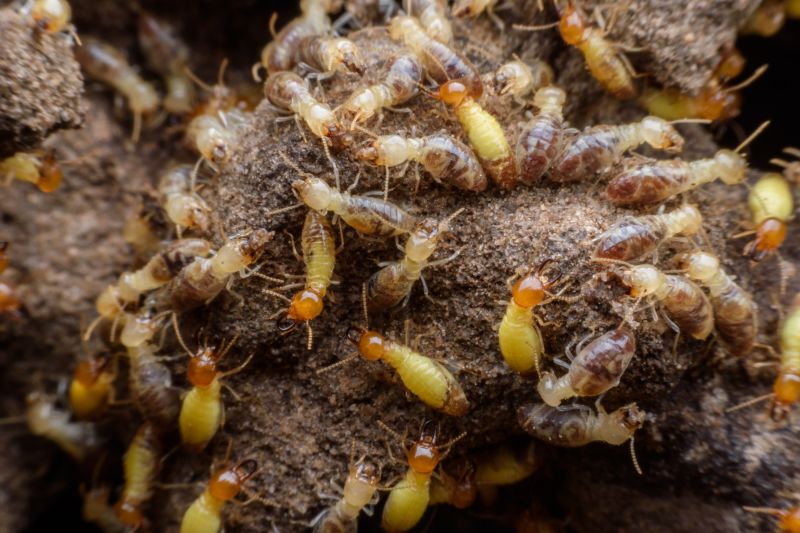
Little measurements that prevent headaches on Termite Controls day.
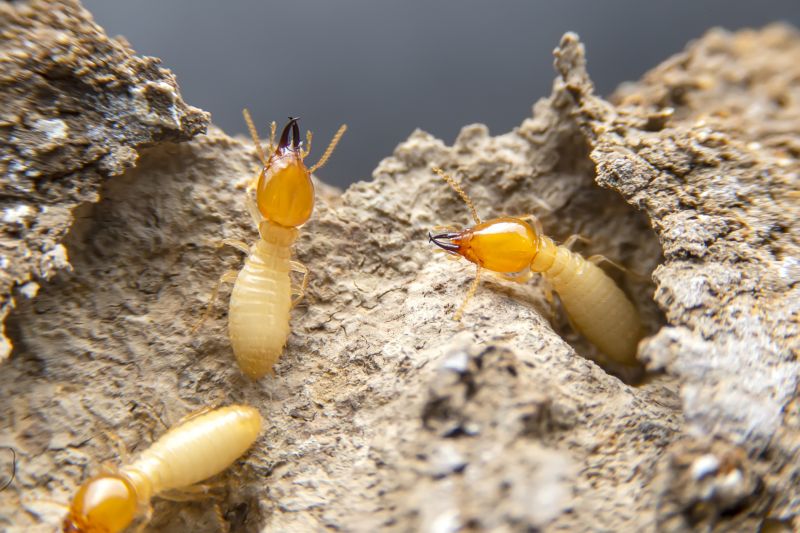
A 60-second routine that keeps Termite Controls looking new.

A frequent mistake in Termite Controls and how to dodge it.
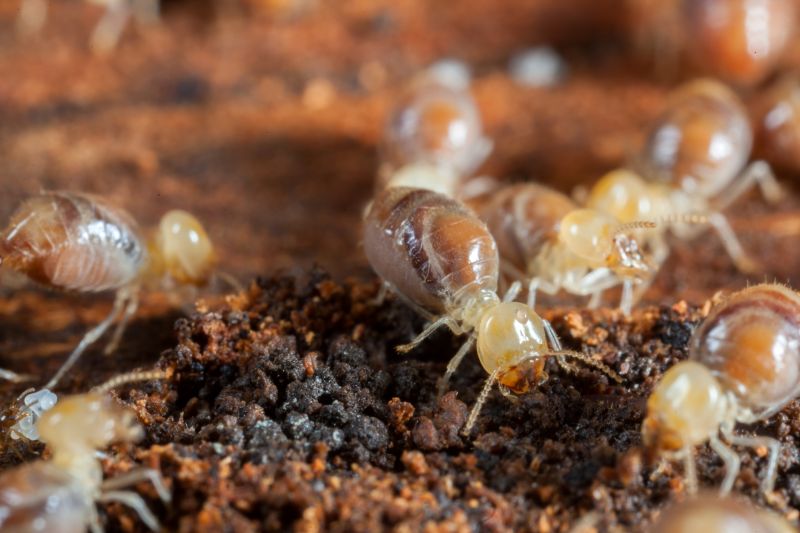
Small tweaks to make Termite Controls safer and easier to use.
| Season | Recommended Action |
|---|---|
| Spring | Conduct inspections and apply preventive treatments before swarming begins. |
| Summer | Implement barrier and bait treatments during peak activity. |
| Fall | Reinforce treatments and prepare for dormant periods. |
| Winter | Monitor structures and perform inspections in milder climates. |
| Early Spring | Reassess and reapply treatments as necessary. |
| Late Summer | Evaluate treatment effectiveness and plan future prevention. |
Understanding the seasonal patterns of termite activity is essential for effective control. Proper timing of inspections and treatments can prevent costly damage and reduce the need for extensive interventions. Regular monitoring and tailored strategies based on climate and structure vulnerability enhance long-term protection against termites.
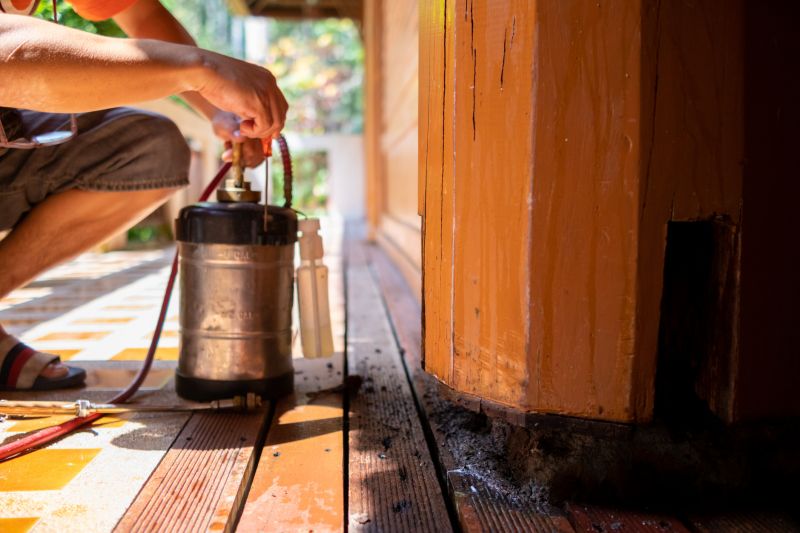
Professional tools and equipment are used for precise application during optimal times.

Proper timing increases the success rate of termite control measures.
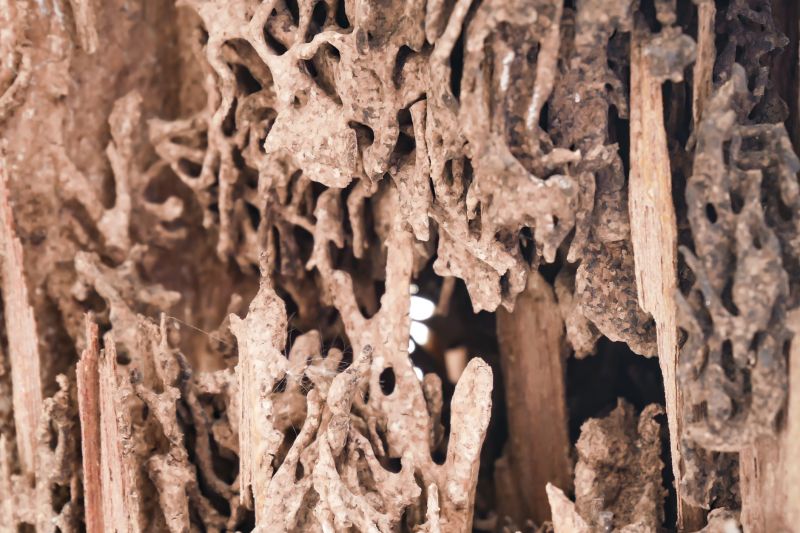
Identifying vulnerable areas before peak activity helps in planning treatments.
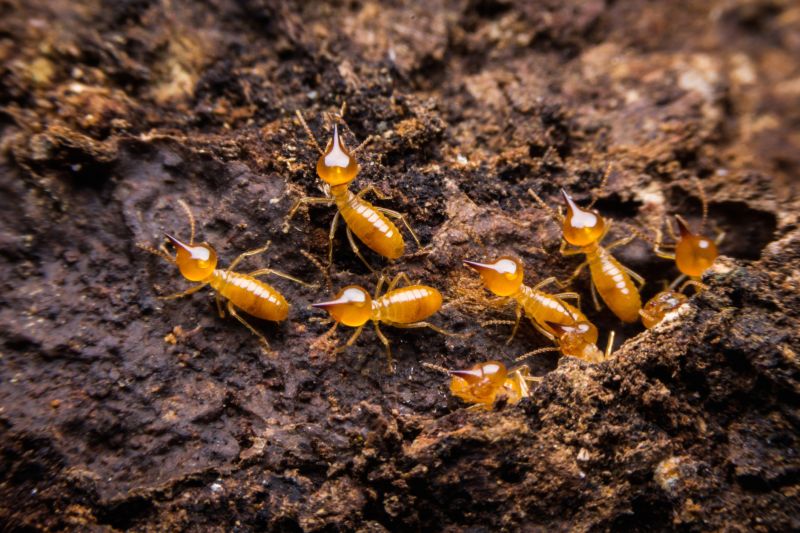
Soil moisture and temperature influence the timing and success of treatments.
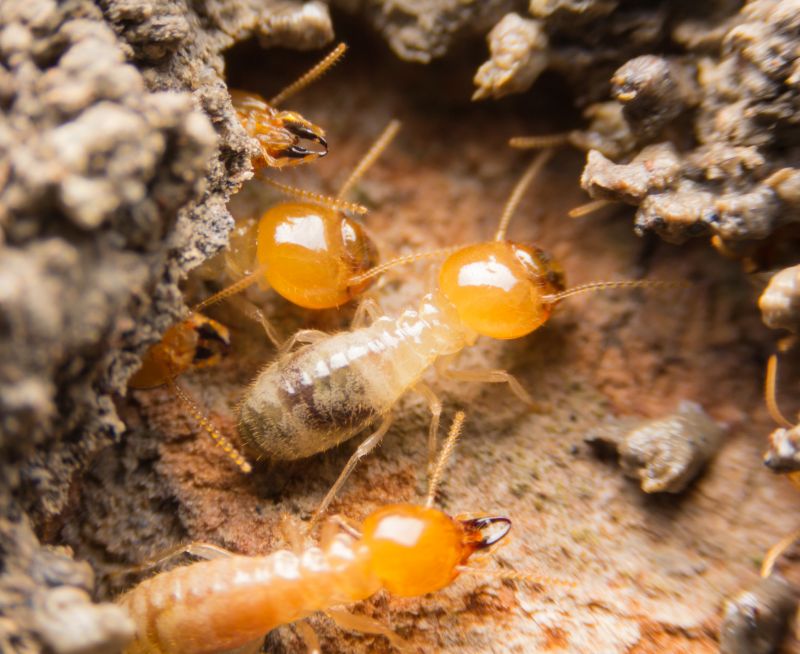
Lower-waste or water-saving choices for Termite Controls.

The short, realistic tool list for quality Termite Controls.
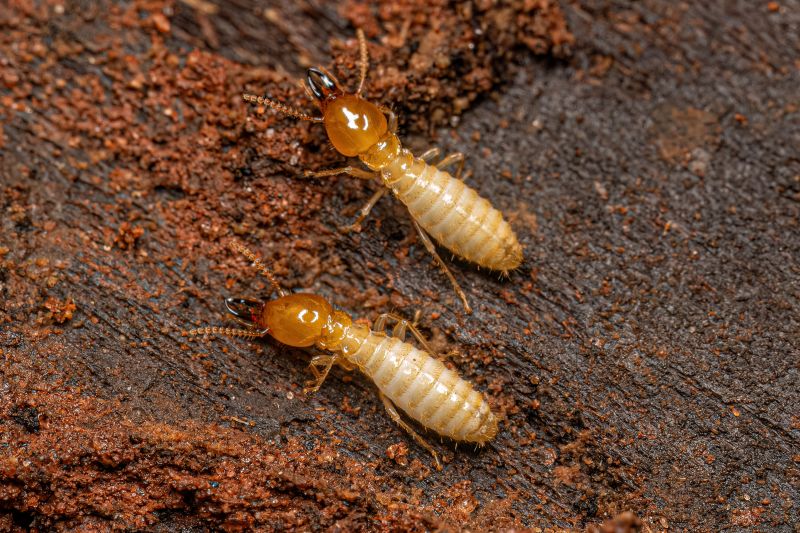
Rough timing from prep to clean-up for Termite Controls.
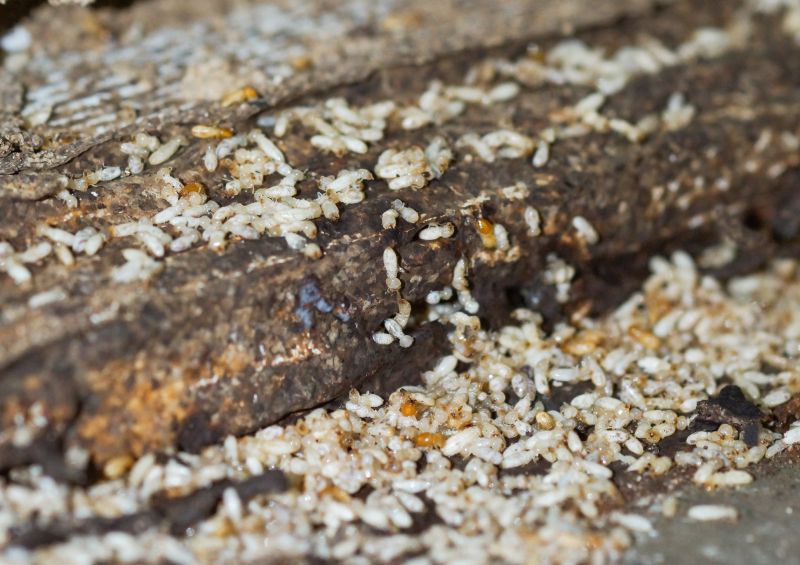
Quick checks and paperwork to keep after Termite Controls.
Timely termite control strategies are vital for maintaining property integrity. Engaging in inspections and treatments aligned with seasonal activity ensures optimal results. Regular assessments and adaptive approaches contribute to effective long-term management of termite risks.
Experts assess the timing and methods best suited for each property.
Timing and methods are tailored based on property specifics and local conditions.
Addressing infestations early prevents extensive damage and reduces costs.
Ongoing monitoring during key periods ensures early detection and response.
Effective termite control requires understanding seasonal behaviors and implementing timely interventions. Proper planning and professional evaluation maximize protection and minimize damage, ensuring long-term property health.