How Termites Cause Structural Damage to Homes
To prevent serious structural damage caused by termites, local contractors can provide effective control solutions tailored to your home’s needs.
Understanding how termites cause structural damage to homes is essential for property owners who want to protect their investments. These silent invaders can weaken crucial components like wood framing, support beams, and even the foundation, often without immediate signs of trouble. Recognizing the potential for damage and knowing when to seek professional help can make a significant difference in avoiding costly repairs down the line. Local contractors specializing in termite control are equipped to assess the extent of any infestation and implement effective solutions to safeguard the structural integrity of homes.
For homeowners in the area, exploring this topic is a practical step toward maintaining a safe and stable property. Termite activity can progress quickly, making early detection and intervention vital. Local service providers who focus on termite control can offer tailored treatments designed to eliminate these pests and prevent future damage. Keeping informed about how termites cause structural issues helps property owners make smarter decisions about pest management, ensuring their homes remain secure and sound for years to come.
- Termite Inspection - homeowners noticing signs of termite activity may need a thorough inspection by local contractors to assess potential damage caused by termites.
- Structural Damage Repair - after identifying damage from termites, local service providers can evaluate and repair compromised wood and structural elements.
- Pre-Construction Treatment - new home builders seeking to prevent future termite damage often work with local pros to apply protective treatments during construction.
- Post-Infestation Treatment - homes with active termite infestations require treatment plans from local contractors to eliminate termites and prevent further damage.
- Moisture Management Services - property owners experiencing moisture issues that attract termites can consult local pros to reduce conditions that facilitate termite-caused structural damage.
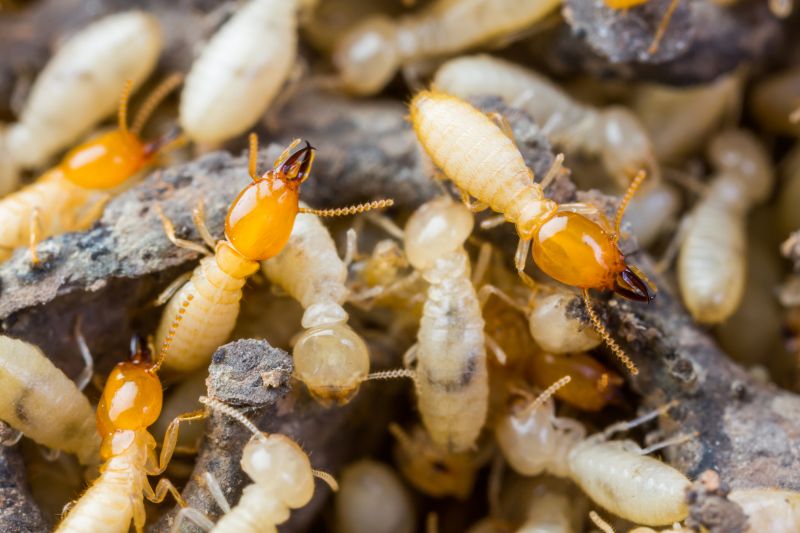
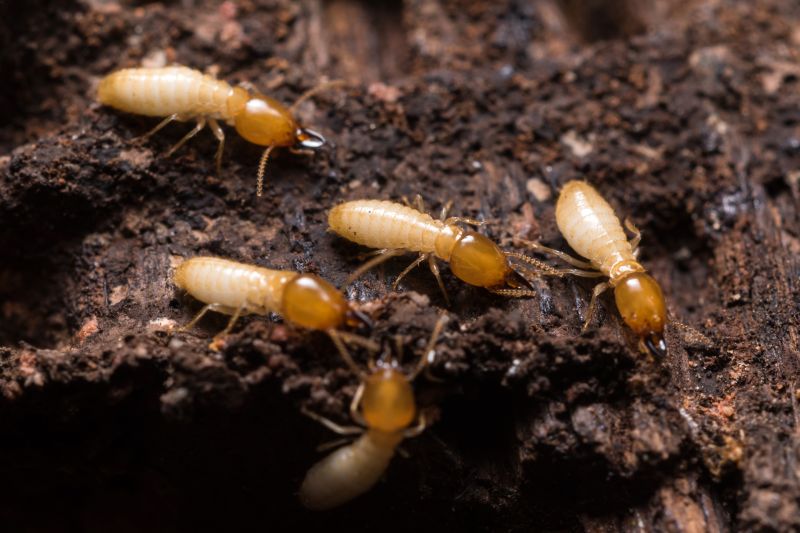
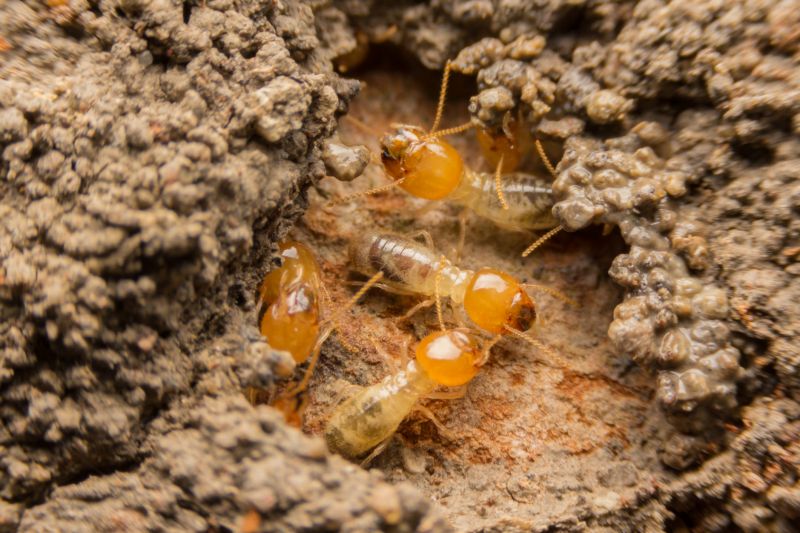
Understanding how termites cause structural damage to homes is a common concern among homeowners. When people search for this topic, they are usually interested in learning how these pests can silently weaken the foundation, walls, and support structures of their property. Many are worried about the signs of infestation, such as hollow-sounding wood or mud tubes, and want to know how these insects can compromise the safety and stability of their home. This knowledge helps homeowners recognize potential problems early and consider the importance of professional treatment to prevent extensive damage.
The problems related to termite activity often involve the gradual deterioration of wooden elements within a home’s structure. Termites feed on cellulose, a primary component of wood, paper, and other plant-based materials, which means they can cause damage even before visible signs appear. Homeowners planning repairs or renovations may also be concerned about how termite damage could affect the integrity of load-bearing walls, flooring, or framing. Addressing these issues typically involves inspections to assess the extent of the infestation, followed by targeted treatment to eliminate the pests and protect the property’s structural components.
Certain types of properties are more prone to termite damage due to their construction materials or location. Wooden homes, especially those built on or near soil, are particularly vulnerable since termites thrive in moist, wood-rich environments. Older homes with less modern construction techniques may also be at higher risk, as they often have more accessible wood components and less effective barriers against pests. Additionally, properties with landscaping that retains moisture or provides easy access for termites-such as wood mulch or debris close to the foundation-are more likely to experience infestations. Recognizing these property characteristics can help homeowners determine when to seek professional termite control services.
Local service providers specializing in termite control play a critical role in addressing how termites cause structural damage to homes. These professionals can perform thorough inspections to identify signs of infestation and evaluate the extent of damage. They use proven treatment methods to eliminate termites and implement preventative measures to reduce future risks. For homeowners, working with experienced local contractors ensures that the structural integrity of their property is preserved and that any damage caused by termites is properly managed. Connecting with these specialists can provide peace of mind and help maintain the safety and value of a home over time.
Foundation Repair - Foundation repair projects often involve assessing structural integrity, similar to evaluating how termites cause structural damage to homes, and require specialized tools and planning.
Wood Rot Restoration - Restoring wood affected by rot shares techniques with termite damage repair, as both involve identifying compromised wood and replacing or treating affected areas.
Home Inspection Services - Home inspection services include identifying signs of termite activity and understanding how termites cause structural damage to homes, helping homeowners plan effective treatments.
Structural Reinforcement - Reinforcing compromised structural elements involves planning and execution skills akin to addressing damage caused by termites in the building’s framework.
Pest Prevention Treatments - Pest prevention projects focus on protecting homes from future infestations, complementing termite control efforts related to preventing structural damage.
Dry Rot and Pest Damage Repairs - Repair projects for dry rot and pest damage require similar assessment and repair techniques as addressing how termites cause structural damage to homes.
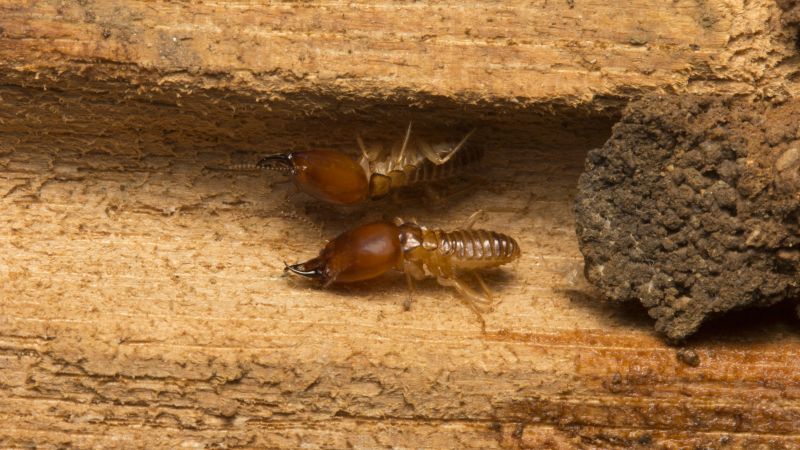
When comparing local contractors for termite control services, it’s important to consider their experience with similar projects. Homeowners should inquire about how long a service provider has been handling termite-related issues and whether they have a track record of effectively addressing structural damage caused by termites. An experienced contractor will be familiar with the common signs of termite activity and the most effective methods for eliminating infestations, which can help ensure the integrity of a home’s structure is preserved. Additionally, understanding a contractor’s familiarity with the specific challenges posed by termites in the local area can provide added confidence in their ability to deliver reliable results.
Clear written expectations are essential when evaluating termite control services. Homeowners should seek detailed descriptions of the scope of work, including inspection procedures, treatment options, and follow-up measures. Having a transparent outline helps prevent misunderstandings and ensures that both parties agree on what will be done to address how termites cause structural damage to homes. Well-defined expectations also make it easier to assess whether a service provider’s approach aligns with the homeowner’s concerns about protecting their property from future infestations or damage.
Reputable references and good communication are key factors in choosing a local contractor for termite services. Homeowners can ask for references from previous clients who had similar issues, particularly those involving structural damage, to gauge the contractor’s effectiveness and professionalism. Additionally, a service provider who communicates clearly and promptly can help clarify questions about the process, potential outcomes, and maintenance recommendations. Effective communication ensures homeowners stay informed throughout the project and feel confident in the steps being taken to safeguard their home’s structure from termite-related damage.
Property owners often search for how termites cause structural damage to homes when they are planning practical projects around their homes and businesses. Local pros provide Termite Control services for everyday jobs and straightforward project options.
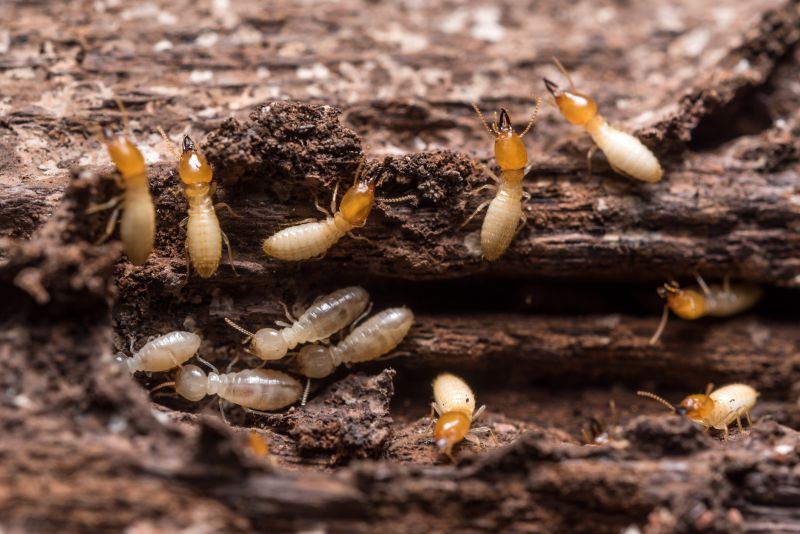
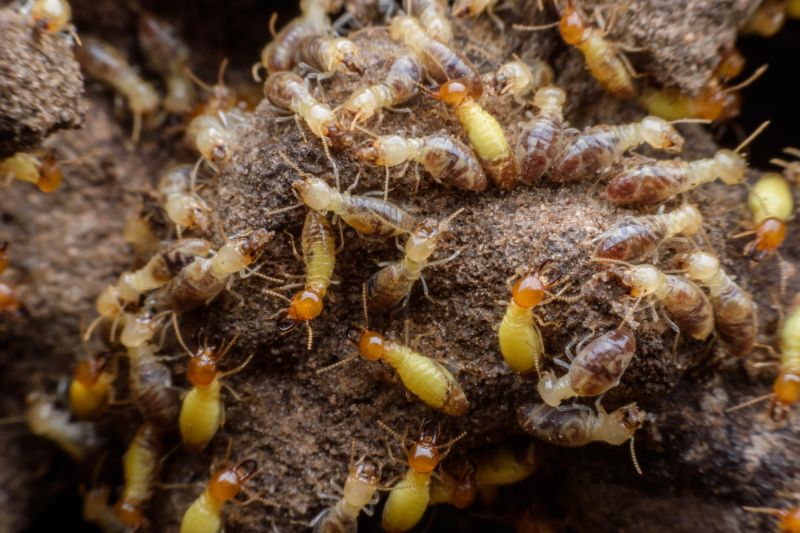
Termites are often unseen until they have caused significant damage to a home's structure. These insects feed on wood, including framing, flooring, and support beams, gradually weakening the integrity of the building over time. Homeowners in the area might notice signs such as hollow-sounding wood, sagging floors, or discarded wings, prompting them to explore how termites cause structural damage to homes and whether professional termite control services are needed to address the issue.
Many property owners seek out local contractors when they suspect termite activity or want to prevent future problems. These service providers can perform thorough inspections to identify signs of termite infestation and assess the extent of any damage. By working with local pros, homeowners can develop effective treatment plans to eliminate termites and protect their property's structural stability, ensuring that the home remains safe and sound for years to come.
How do termites cause damage to home structures? Termites feed on cellulose found in wood and other building materials, creating tunnels and hollowing out structural components, which can weaken walls, floors, and support beams over time.
What types of damage are caused by termites in homes? Termite activity can lead to sagging floors, cracked walls, weakened door and window frames, and in severe cases, structural failure that compromises the safety of the home.
How can local contractors identify termite-related structural damage? Professionals typically perform thorough inspections to look for signs such as mud tubes, hollowed wood, and damaged drywall, helping to assess the extent of structural damage caused by termites.
Why is it important to address termite damage promptly? Early intervention can prevent further deterioration of structural elements, reducing the risk of costly repairs and maintaining the overall stability of the home.
How do termite control services help prevent further structural damage? Service providers use treatments and preventive measures to eliminate existing termites and protect the home from future infestations, helping to preserve structural integrity.
Regular Inspections - scheduling routine inspections with local contractors can help identify early signs of termite activity before significant damage occurs.
Moisture Management - implementing proper drainage and fixing leaks around the home can reduce conditions that attract termites and prevent structural issues.
Wood Treatment - applying protective treatments to wooden structures can make them less appealing to termites and slow down potential damage.
Damage Assessment - consulting with local experts to evaluate existing damage can guide necessary repairs and help prevent further structural deterioration.
If you are thinking about how termites cause structural damage to homes for a property, this guide is meant to help you understand this topic, the typical project types, and how different options might fit your plans.
When you are ready, you can use the quote form on this page to share a few details about your project. From there, local pros can review the basics and follow up with options that match what you have in mind.